
tracking pixel
Logo
icons

Diabetic Diet Plan for Indians — Bengali & North Bengal Foods | Kins Diabetes

Share

The best diabetic diet for Indians focuses on controlling portions of high-carbohydrate foods like white rice and maida, eating more vegetables, pulses, and whole grains, and spacing meals evenly through the day. For Bengali and North Bengal eating patterns, smaller rice portions paired with sabzi, dal, and fish work well. A diabetes dietician at Kins Diabetes in Siliguri can build a personalised plan for your blood sugar levels and food preferences.
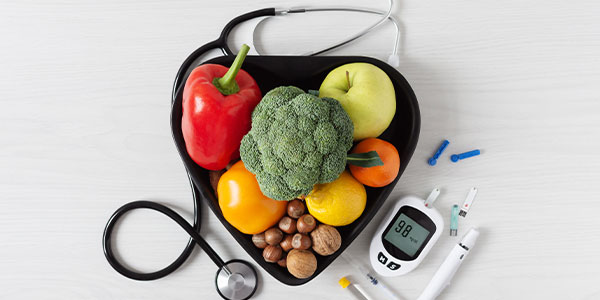
Can diabetics eat rice
Common Question

Can diabetics eat rice?

Yes. Diabetic patients can eat rice, but portion size and pairing matter.

Keep portions to one small bowl per meal rather than a full plate.

Pair rice with plenty of vegetables, dal, or fish to slow down blood sugar rise.

Brown rice or hand-pounded rice (siddha chaul) is better than polished white rice because it has more fibre.

Eating rice with a side of leafy greens or a fibre-rich vegetable also helps.

For most people with diabetes in West Bengal and Sikkim, completely cutting rice is not realistic or necessary. The goal is to manage the portion, not eliminate the food. Your dietician at Kins Diabetes will tell you the right quantity for your specific HbA1c level and medication.

Eat More

Foods to include in a diabetic diet

These foods are generally beneficial for blood sugar management in an Indian and Bengali diet:

Vegetables: karela (bitter gourd), methi (fenugreek leaves), palak, drumstick leaves, lauki, ridge gourd

Pulses and dal: masoor dal, moong dal, chana — high in protein and fibre, lower glycaemic load

Whole grains: atta roti, jowar or bajra roti, oats

Fish: excellent protein source with healthy fats — a strength of the Bengali diet

Curd and buttermilk: unsweetened, good for digestion

Fruits in moderation: guava, pear, jamun, papaya — lower sugar fruits preferred

Eat Less

Foods to avoid or limit

White rice in large portions

Maida-based foods: white bread, paratha with maida, biscuits, cakes, singara, nimki

Sweets: rasgolla, mishti doi, sandesh, gulab jamun, jalebi

Sweetened drinks: cold drinks, packaged fruit juice, sweetened tea with too much sugar

Fried snacks: chips, deep-fried snacks, heavily oiled preparations

Processed foods with hidden sugar: ketchup, packaged sauces, ready-mix foods

Smart Choices

Good snacks for diabetics — North Bengal foods

Roasted chana (a handful) — widely available and protein-rich

A small portion of muri (puffed rice) with vegetables — less than a cup, no added sugar

Cucumber, carrot, or cucumber slices

A boiled egg

A small bowl of plain curd without sugar

A piece of guava or a pear
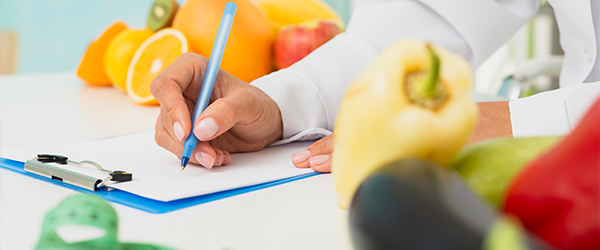
Good snacks for diabetics

Avoid biscuits with tea even if they look plain — most biscuits are made with maida and sugar and spike blood sugar quickly.

Get your personalised diabetic diet plan

Talk to a diabetes dietician at Kins Diabetes in Siliguri. Message on WhatsApp or call the clinic.


Frequently asked questions

What is the best diet for a diabetic patient in India?
The best diabetic diet in India focuses on controlling portions of high-carbohydrate foods like white rice and maida, eating more vegetables, pulses, and whole grains, and spacing meals evenly through the day. Avoiding sugary drinks, fried snacks, and processed foods is important. A diabetes specialist or dietician can build a personalised plan based on your blood sugar levels and eating habits.
Can a diabetic patient eat rice?
Yes, diabetic patients can eat rice, but portion size and type matter. Smaller portions of rice paired with plenty of vegetables, dal, or protein help slow blood sugar rise. Brown rice or hand-pounded rice is better than polished white rice. Eating rice with a side of fibre-rich foods also helps. Your doctor or dietician at Kins Diabetes can advise the right quantity for your specific blood sugar levels.
What foods should a diabetic patient avoid in a Bengali diet?
Diabetic patients following a Bengali diet should limit large portions of white rice, sweets like rasgolla and mishti doi, fried snacks like singara and nimki, sweetened drinks, and refined maida-based foods. Smaller rice portions, more sabzi, dal, and fish with less oil are better choices. A personalised diet plan from a diabetes dietician is the most accurate guide.
What are good snacks for diabetic patients?
Good snacks for diabetic patients include roasted chana, a small handful of mixed nuts, cucumber or carrot sticks, a boiled egg, a small bowl of plain yogurt, or a piece of seasonal fruit like guava or pear. Avoid biscuits, packaged chips, sweetened drinks, and fried snacks. Small, regular snacks help keep blood sugar steady between meals.
What foods lower blood sugar naturally?
Foods that help manage blood sugar include vegetables like karela (bitter gourd), methi (fenugreek), palak, and drumstick leaves. Whole grains, pulses, and lentils have a lower glycaemic index and release sugar more slowly. Cinnamon, garlic, and amla are commonly discussed in Indian diet advice for blood sugar. However, no food replaces diabetes medication or a doctor-recommended management plan.
Can a diabetic patient eat roti and chapati?
Yes. Whole wheat roti or chapati is generally a better option than white rice for diabetic patients because it has more fibre and a lower glycaemic index. Multigrain or jowar roti is even better. Portion size still matters — two to three medium rotis per meal is a reasonable starting point, but your doctor or dietician at Kins Diabetes can guide the right amount for your specific condition.